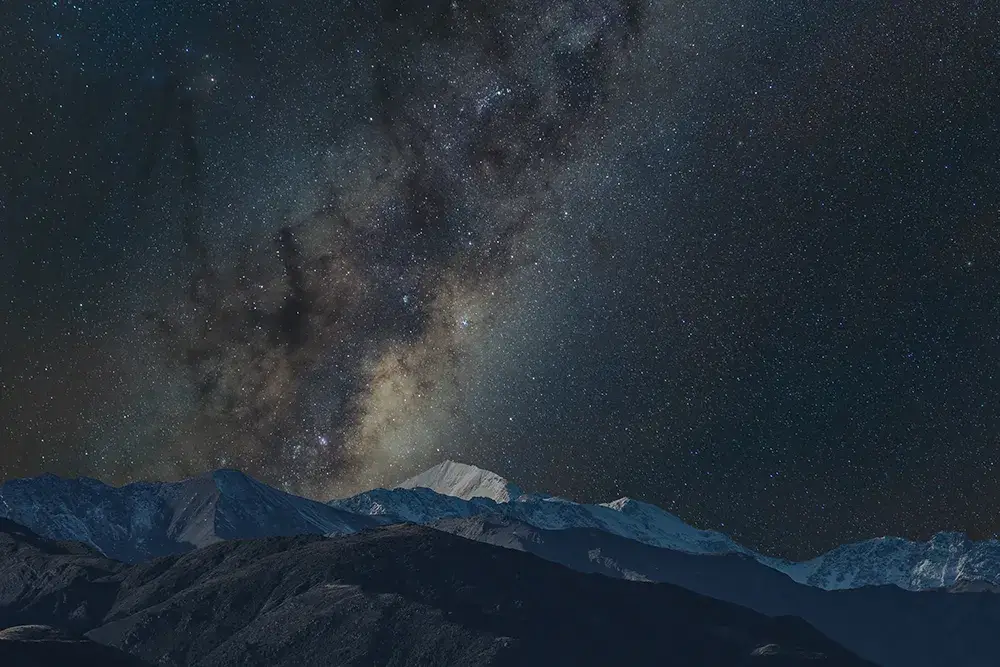
Kaikōura has become one of New Zealand’s leading locations for stargazing following its designation as an International Dark Sky Sanctuary in 2024
For Kaikōura stargazing, the designation formally acknowledges the region’s exceptionally low light pollution and long-standing efforts to protect its natural environment, positioning it as one of New Zealand’s premier places for stargazing.
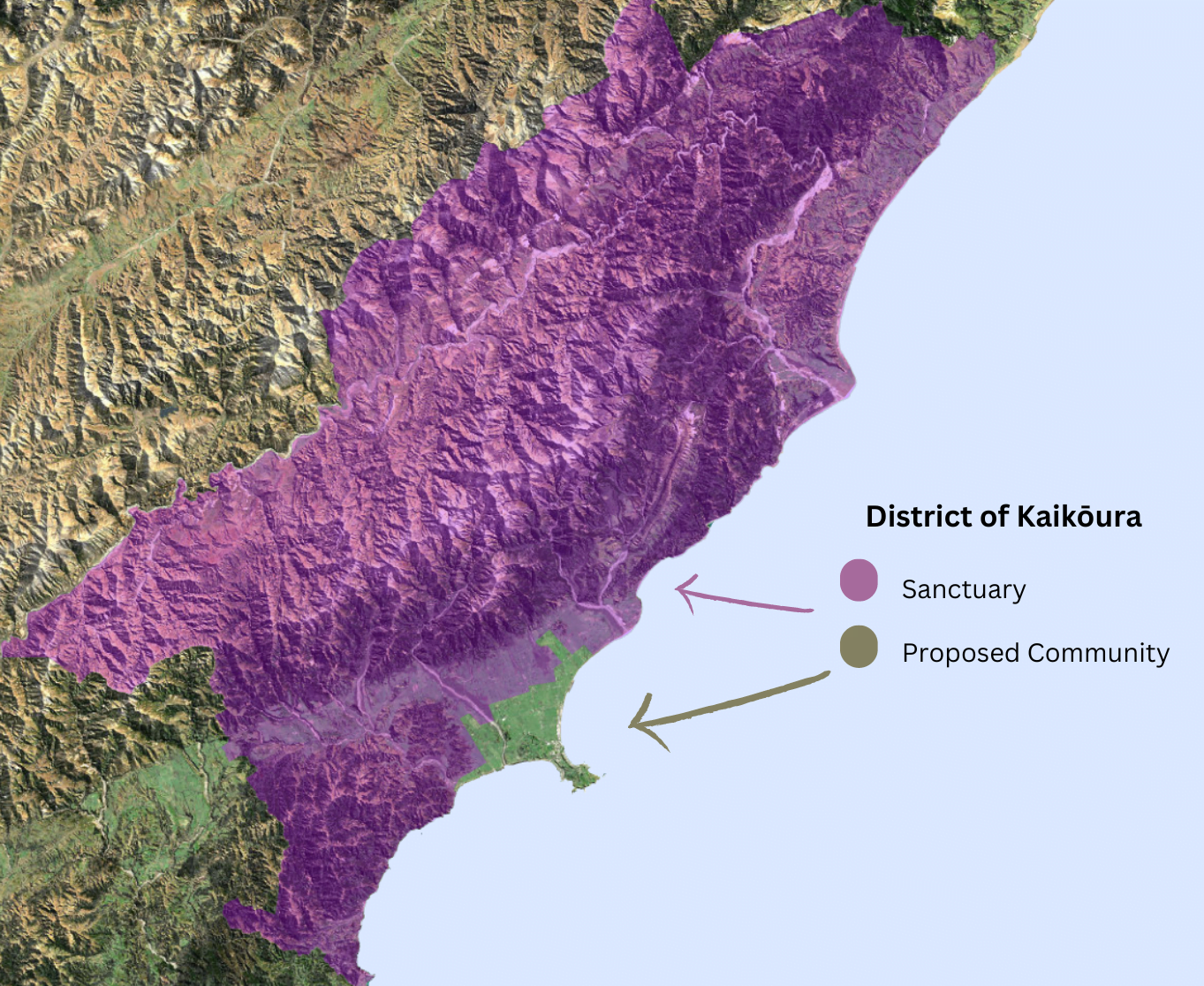
Granted in September 2024, the Dark Sky Sanctuary status applies to almost the entire Kaikōura District, covering approximately 2,039 km² (787 sq mi), or around 98% of the district, including extensive areas of Department of Conservation land.
This makes it one of the largest protected dark sky areas in the country and places Kaikōura alongside a small group of internationally recognised locations committed to preserving natural darkness.
For visitors, the designation provides a clear signal of what to expect
Dark Sky Sanctuary status is awarded only to regions with consistently low artificial light levels and long-term lighting management plans. In practical terms, this means that outside the main township, Kaikōura offers reliably dark skies across much of the district on clear nights. Under these conditions, common features of the southern night sky become visible without specialised equipment, including the Milky Way, the Southern Cross and surrounding constellations, the Magellanic Clouds, and seasonal astronomical events such as planets and meteor showers. Viewing conditions are strongest on nights with little or no moon and away from urban lighting.
Stargazing in Kaikōura does not require extensive travel or specialist access, but location remains important
Areas beyond the central township, particularly along coastal roads to the north and south, rural locations, and elevated viewpoints with open horizons, provide the best conditions. Central Kaikōura contains higher levels of artificial lighting and is less suitable for consistent night-sky observation.
Visitors can choose to stargaze independently or through guided experiences. Self-guided stargazing is common and requires little more than suitable clothing and basic preparation, while guided stargazing and astrophotography tours operate in the region for those seeking expert interpretation or telescope access. These services generally run year-round, subject to weather conditions.
Stargazing is possible throughout the year, though seasonal differences affect conditions
Winter offers longer hours of darkness and often clearer skies, while summer brings warmer evenings but later start times due to shorter nights. Autumn and spring tend to provide a balance between comfort and darkness. The Milky Way is most prominent from late autumn through early spring, peaking in the dark winter months (June/ July) when it arches high overhead.
Visitors are encouraged to minimise light use and respect night-time environments to help maintain sky quality.
The Dark Sky Sanctuary designation reinforces Kaikōura’s position as a region where natural assets are actively protected, while offering visitors a clear and practical opportunity to observe the southern night sky in conditions that are becoming increasingly rare worldwide.
Businesses supporting Dark Sky conservation in Kaikōura
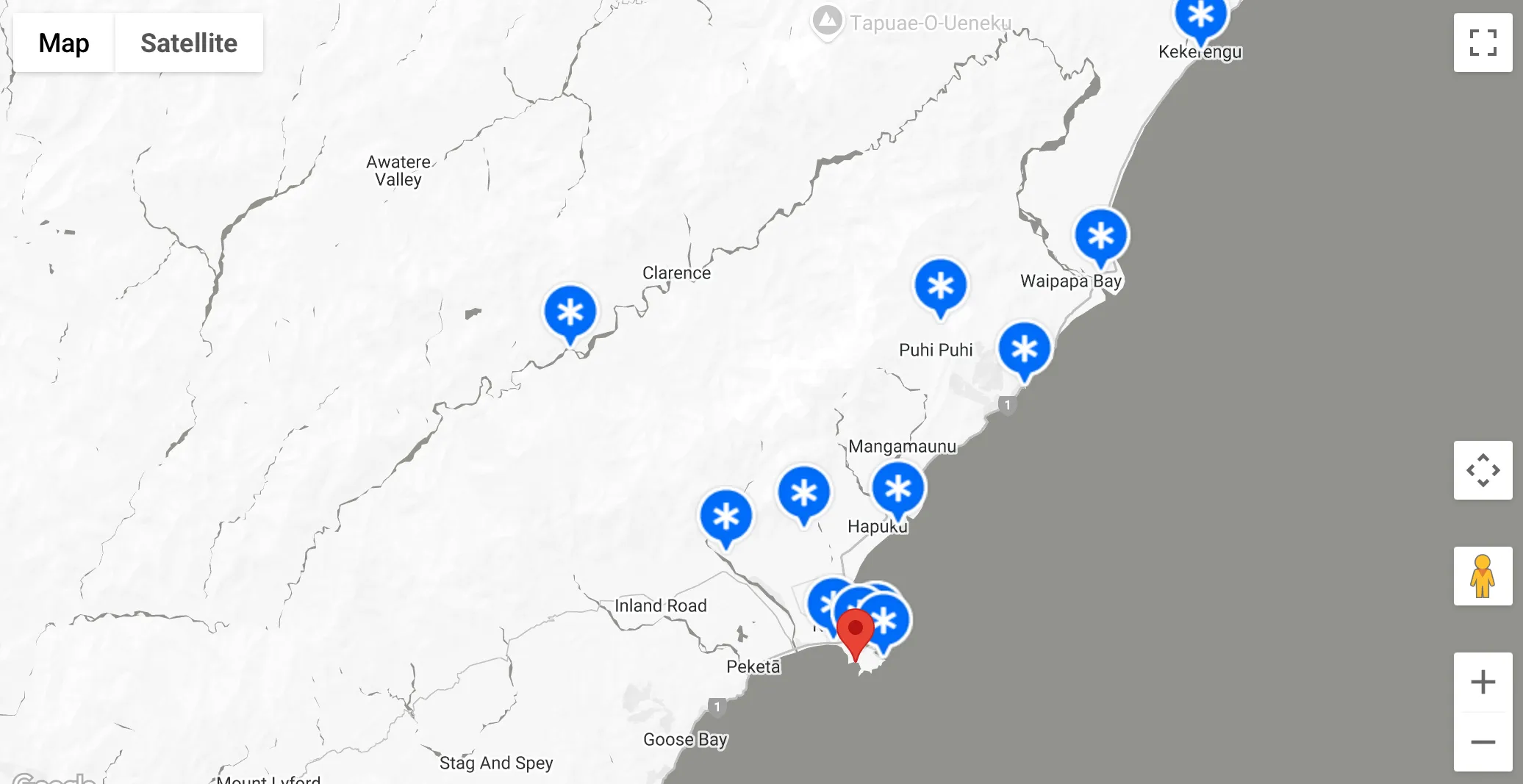
Kaikōura’s Dark Sky Sanctuary status is supported not only by district-wide, but also by local businesses that have committed to operating in ways that protect the night environment.
Stargazing and Night Experiences
- Moana Skies
- Astrophotography Night Sky Experience
- Star Flight Zipline & Stargazing Experience
Dining Experiences
- KAI WAHO – Private Stargazing Picnic
- KAI PŌ – Luxury Stargrazing Dining Experience
Accommodation
- Hapuku Lodge + Tree Houses
- The Hike Hut
- Mangamaunu Retreat
- Lynton Downs Farm Stay