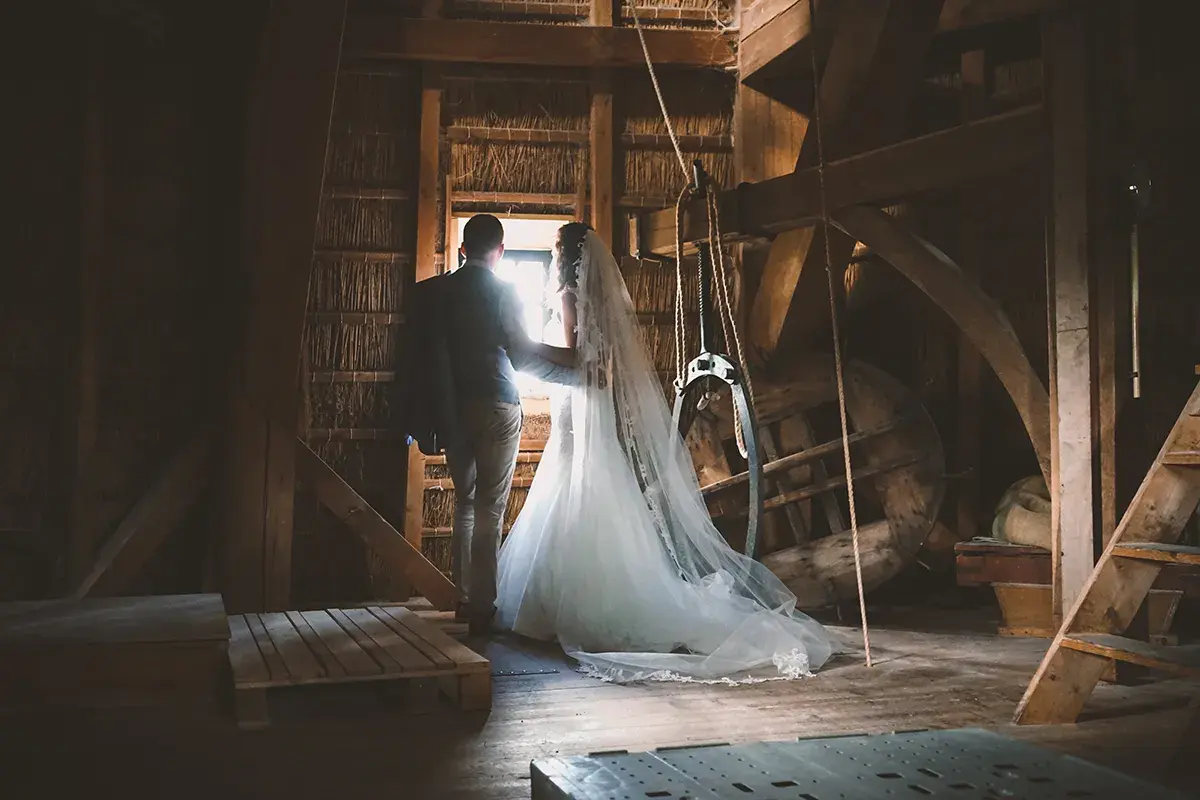
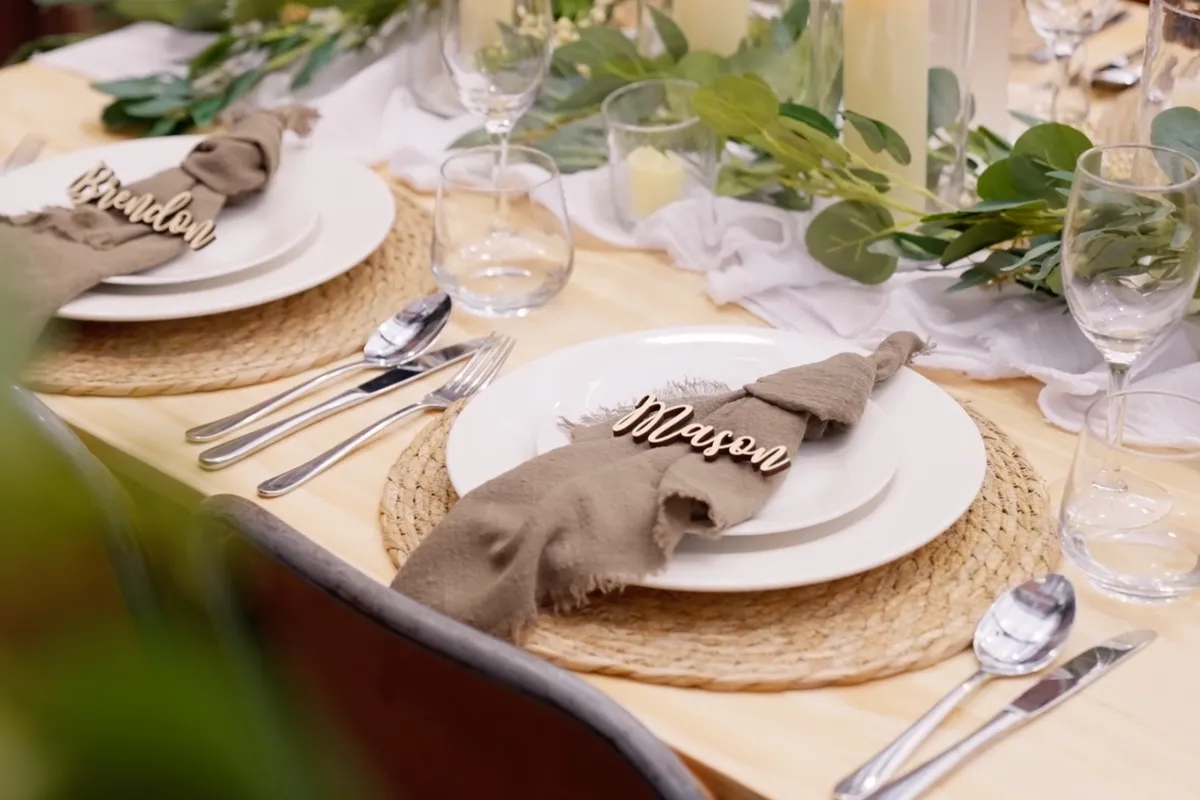
Researching wedding venues sounds simple - until you actually try to do it
You open a venue website, see a few beautiful photos, a line that says, “seats up to 120”, and a contact form asking for your date, guest count, and budget. You send an enquiry… and the quote comes back wildly higher than expected, or missing half the information you thought was included.
If you’re planning a wedding and don’t know where to start, you’re not alone. Most couples only do this once, and venues don’t always explain things in a way that makes sense if you’re new to it.
If this already feels more complicated than you expected, that’s normal — venue research is where most couples realise weddings involve more moving parts than the photos suggest.
In New Zealand, wedding venues range from full-service hotels and vineyards to private estates, rural properties, and marquee-only sites — and each operates very differently. This guide walks you through how to research venues properly, what to look for on a venue website, and how to request quotes you can actually compare.
Step 1: Start With Your Real Guest Numbers (Not a Guess)
Before you look at venues, get as close as you can to a realistic guest count.
Not:
“About 100 people, maybe.”
Instead, break it down:
- Ceremony guests
- Reception guests
- Evening-only guests (if applicable)
Why this matters:
- Seating capacity changes depending on table layout
- Venues often quote per person
- Some venues charge for unused minimum numbers
Tip: Build your guest list early, even if it feels uncomfortable. It will save you time, money, and confusion later.
Step 2: How to Read a Venue Website (What They Don’t Explain Clearly)
Venue websites are designed to inspire — not educate. Here’s how to read between the lines.
“Seats up to 120” — what does that actually mean?
This could mean:
- 120 seated theatre-style (tight rows, no tables)
- 120 seated banquet-style (round tables)
- 120 guests without a dance floor
- 120 guests including outdoor areas
Always ask:
“Is that capacity for round tables, long tables, or theatre seating — and does it include space for a dance floor?”
Look for these clues on the site:
- Photos showing table layouts
- Floor plan PDFs
- Mentions of cocktail-style vs seated dining
- Separate ceremony and reception spaces
If you can’t see tables in photos, assume seating will be tight.
Step 3: Understand Venue Pricing (Before You Ask for a Quote)
Venues price weddings in different ways, and this is where most confusion starts.
Common pricing structures:
- Venue hire only (space only, everything else extra)
- Per-person packages (food, tables, staff included)
- Minimum spend (you must spend at least $X)
- Peak vs off-peak pricing (season and day of week matter)
Before requesting a quote, check:
- Is catering in-house or external?
- Is there a minimum spend
- Are tables, chairs, linen, and staff included?
- What time does access start and end?
- How many hours are allowed for setup and pack-down?
Tip: If pricing isn’t listed, that doesn’t mean it’s flexible – it usually means it varies a lot.
Note: A venue coordinator manages the venue and its logistics – they don’t replace a wedding planner or stylist who oversees the full day.
Step 3.5: The Costs Couples Don’t See Coming
Even when a venue looks affordable, certain factors can change the total quickly:
- Remote locations that require extra staff travel fees
- Limited power supply (generators needed)
- Strict pack-in / pack-out times requiring extra hire hours
- Required security, cleaners, or duty managers
- Corkage or beverage minimums
- Furniture that looks included but is basic (upgrades cost extra)
This isn’t about avoiding venues – it’s about asking the right questions early.
Step 4: How to Request a Quote (So You Can Compare Venues)
A vague enquiry gets a vague response.
Instead of:
“Can you send us pricing?”
Send something like:
- Wedding date (or 2–3 options)
- Estimated guest count (e.g. 85–95)
- Ceremony + reception, or reception only
- Seated or cocktail-style
- Budget range (optional, but helpful)
Ask these key questions:
- What does the quote include?
- Are there minimum guest numbers or spends?
- How long do we have access to the venue?
- Are there additional fees (cleaning, security, staff)?
- What happens if guest numbers change?
This makes quotes comparable – not just impressive-looking PDFs.
Step 5: Compare Venues on More Than Price
When quotes come back, put them side by side.
Compare:
- Total cost (not just per person)
- What’s included vs extra
- Seating comfort (not just capacity)
- Weather backup options
- Noise restrictions or curfews
- Accessibility for guests
A cheaper venue can cost more once you add:
- Furniture hire
- Marquee hire
Staff - Power, lighting, and transport
Not All Venues Operate the Same Way
A hotel, private estate, vineyard, barn, and marquee site may hold the same number of guests – but they function very differently. Some provide full catering teams and equipment. Others offer only the land and a view.
Before comparing prices, make sure you’re comparing the same type of venue experience. This prevents the “but this one was cheaper” trap.
Step 6: Visit With a Checklist (Not Just Your Emotions)
When you visit a venue, it’s easy to fall in love with the view and forget the logistics.
Bring a checklist:
- Where does the ceremony actually happen?
- Where do guests move afterwards?
- What happens if it rains
- Where is the dance floor
- Is there enough space between tables?
- Where do suppliers set up?
- Is there a catering prep area and reliable power access?
Take photos of:
- The room empty
- The room set for a wedding
- Entry points and flow between spaces
Seasons + NZ Conditions
In New Zealand, wind, temperature drops, and early sunsets outside peak summer can affect comfort more than couples expect — heating, shelter, and lighting matter just as much as the view. Coastal and rural venues can be especially exposed to wind, which affects ceremony setups, florals, signage, and sound.
Step 7: Turn Your Research into a Simple Planning Tool
By this point, you’ll have:
• Guest numbers
• Venue capacities
• Quotes that make sense
• Notes from site visits
At this stage, many couples create a simple venue comparison sheet to track inclusions, exclusions, timings, and real totals side by side. Having everything in one place turns a pile of PDFs into clear decisions.
Final Thought
Wedding venues aren’t trying to confuse couples – they’re used to working with planners, stylists, and people already familiar with how weddings and events run. This guide shifts that knowledge back to you.
When you know what to look for, what to ask, and how to read contracts and inclusions, the process becomes far less stressful – and far more exciting. Whether you’re visiting venues in person, attending wedding shows for inspiration, or planning a destination wedding in New Zealand from overseas using virtual tours and trusted suppliers, seeing how different spaces work helps you recognise the one that will fit your day perfectly.