Hobbiton, home of Bilbo and Frodo Baggins, where two great journeys began
Few film worlds have had the lasting cultural impact of The Lord of the Rings, shaping how generations of readers and moviegoers imagine Middle-earth. In New Zealand, that connection is most tangible at Hobbiton Movie Set, where The Shire’s become one of the most sort-after locations – familiar to fans, yet never explored from the inside.
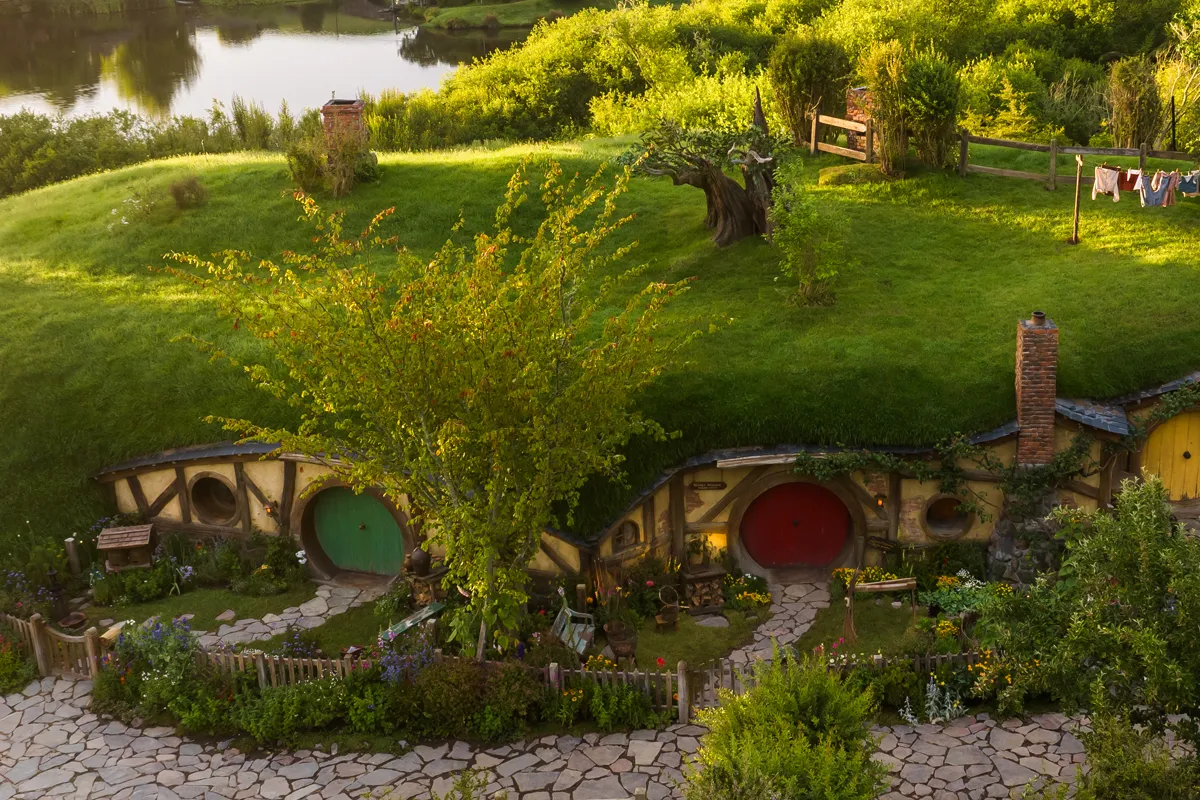
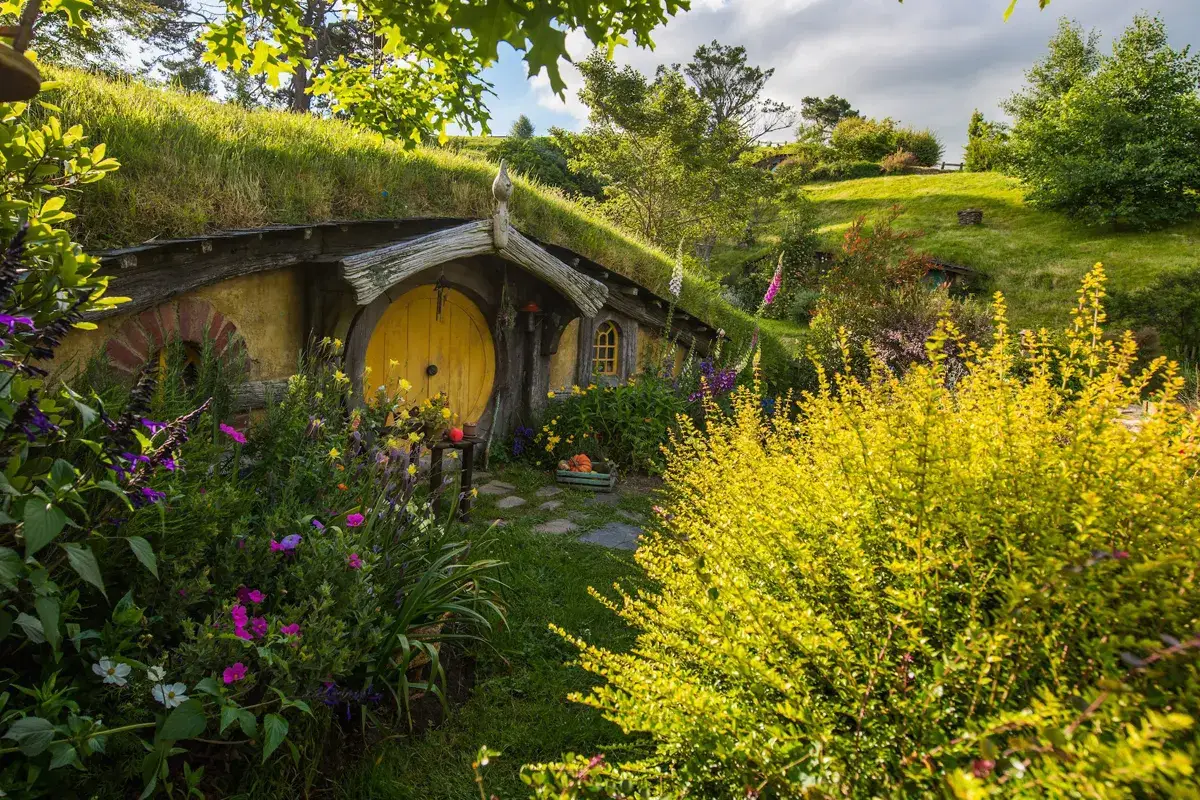
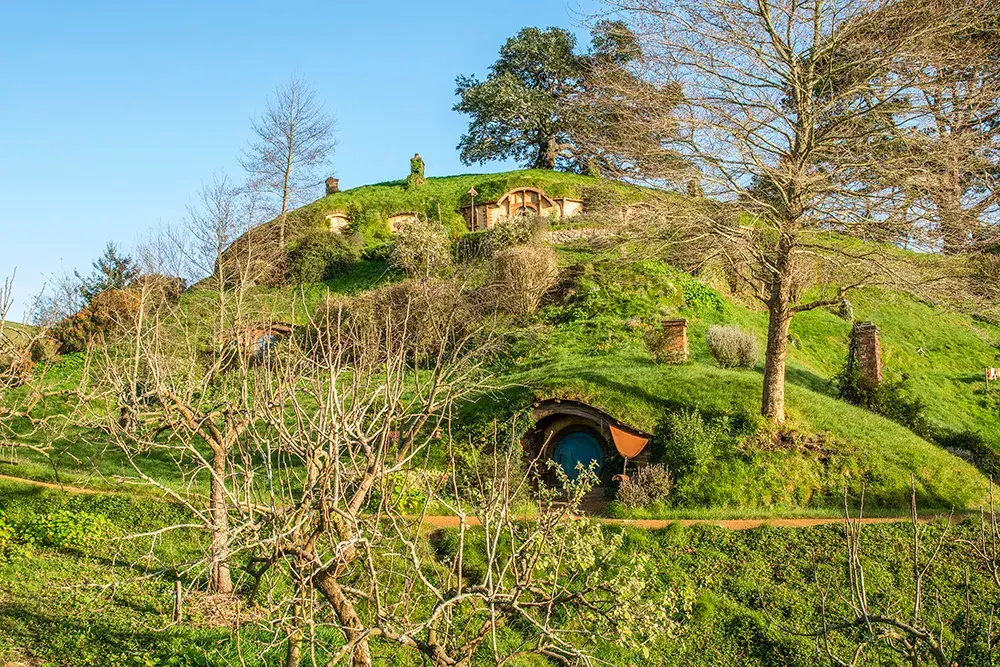
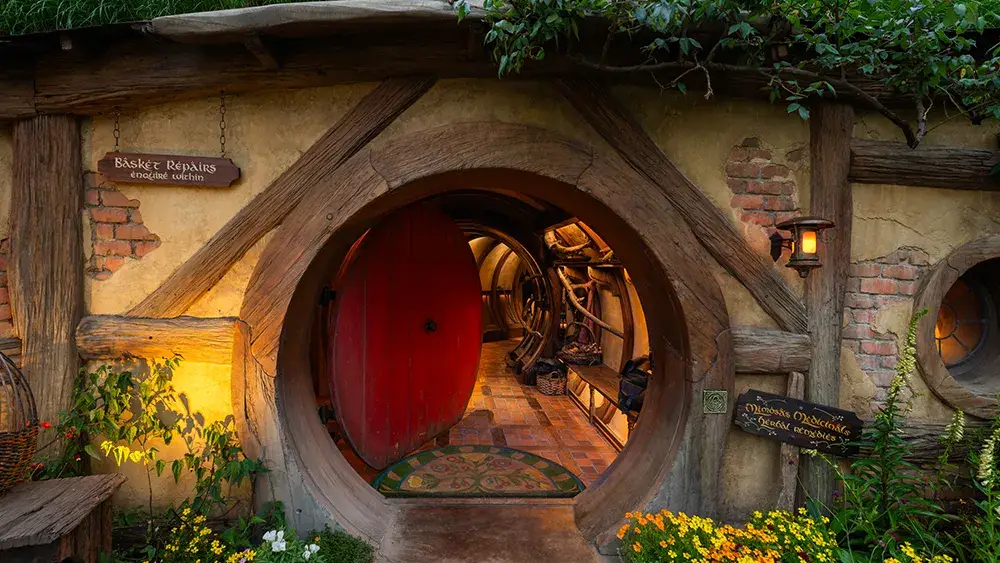
For more than 20 years, visitors have walked past the round doors of Bagshot Row, imagining the lives unfolding behind them. The exteriors, especially the Hobbit hole doors, have became some of the most recognised images from The Lord of the Rings films, yet stepping inside was always out of reach.
Bagend, Bagshot Row in the film Lord of the Rings.
Bagshot Row: Beyond the door to life in the Shire
Bagshot Row extends the story beyond the familiar round door, offering a deeper sense of everyday life in the Shire while preserving what has defined Hobbiton from the beginning.
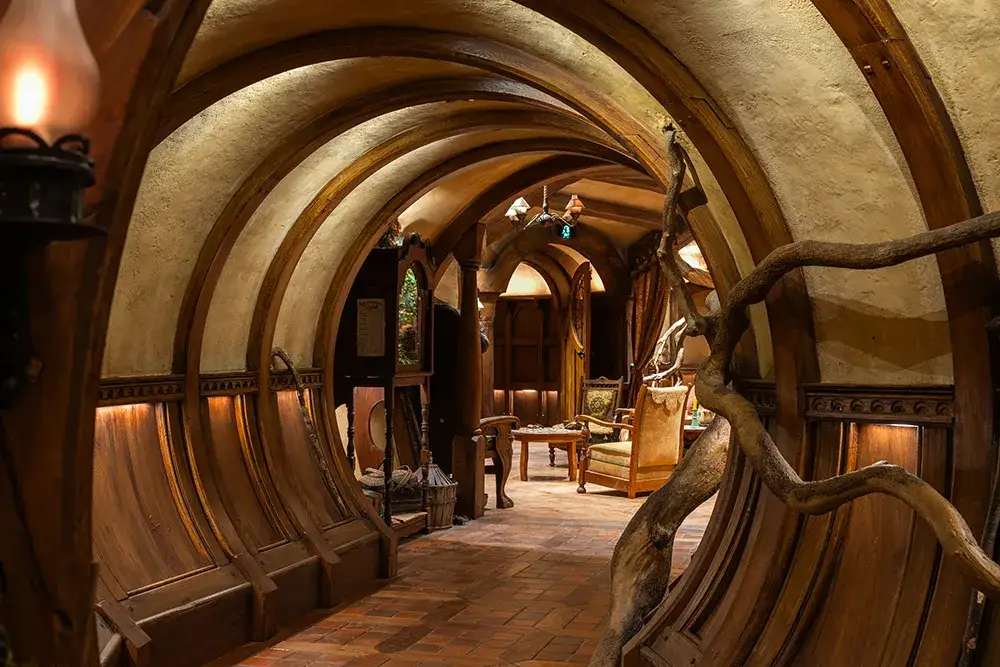
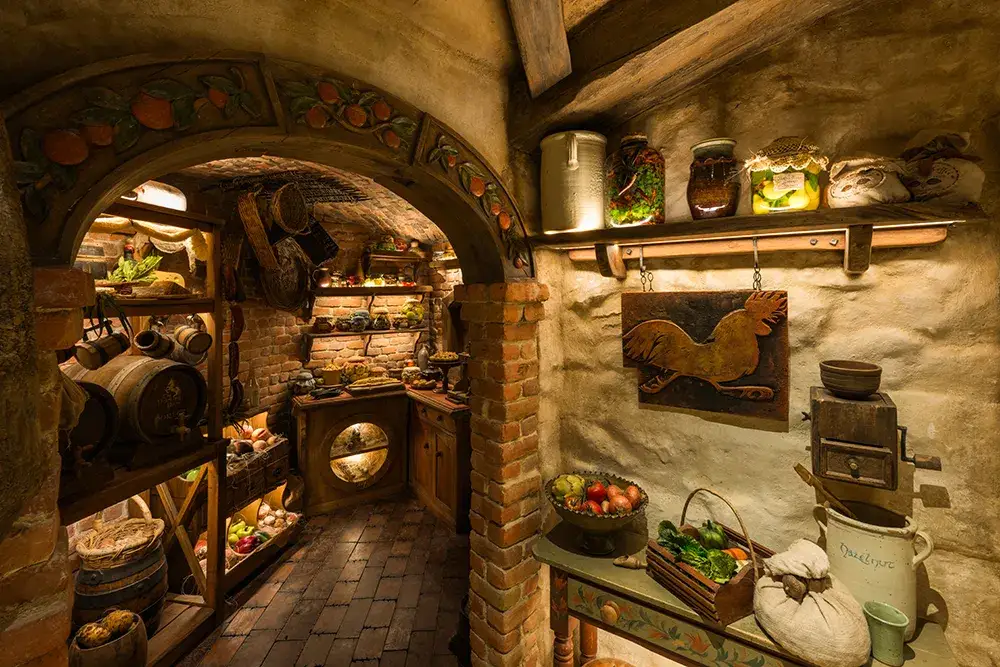
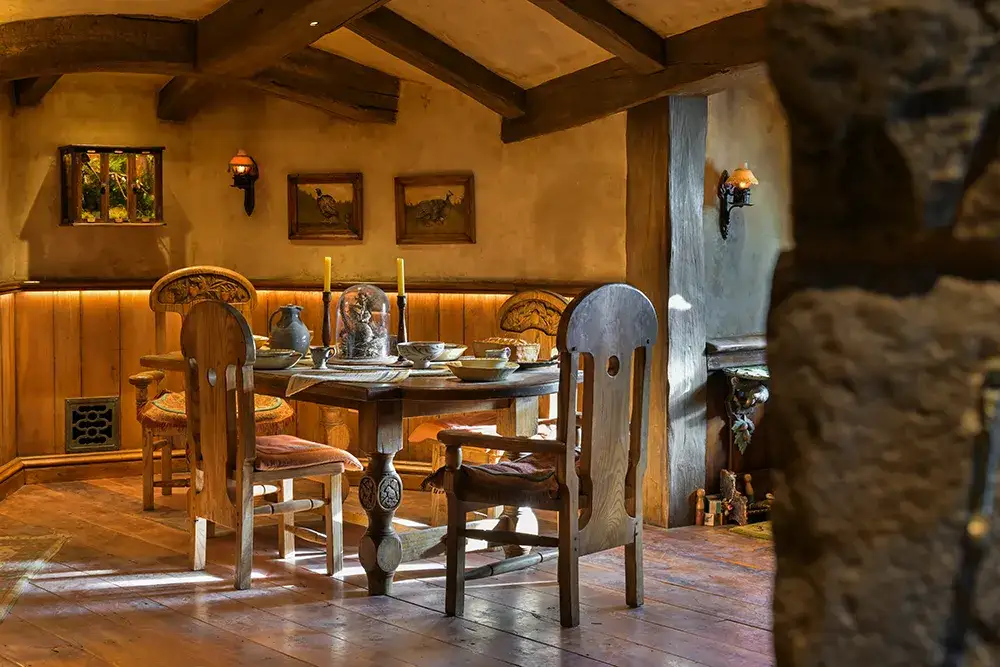
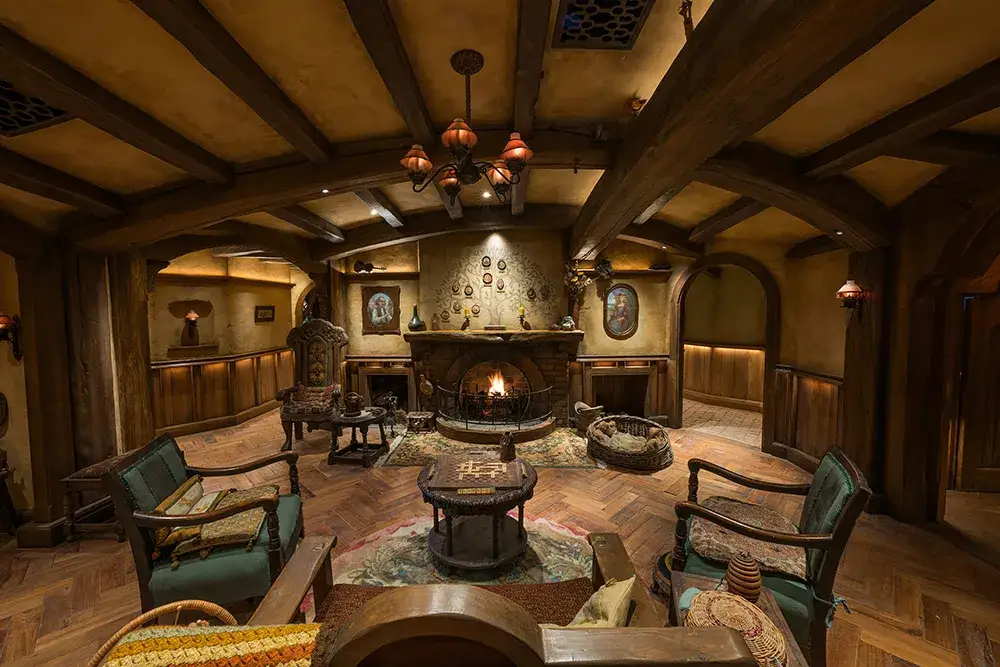
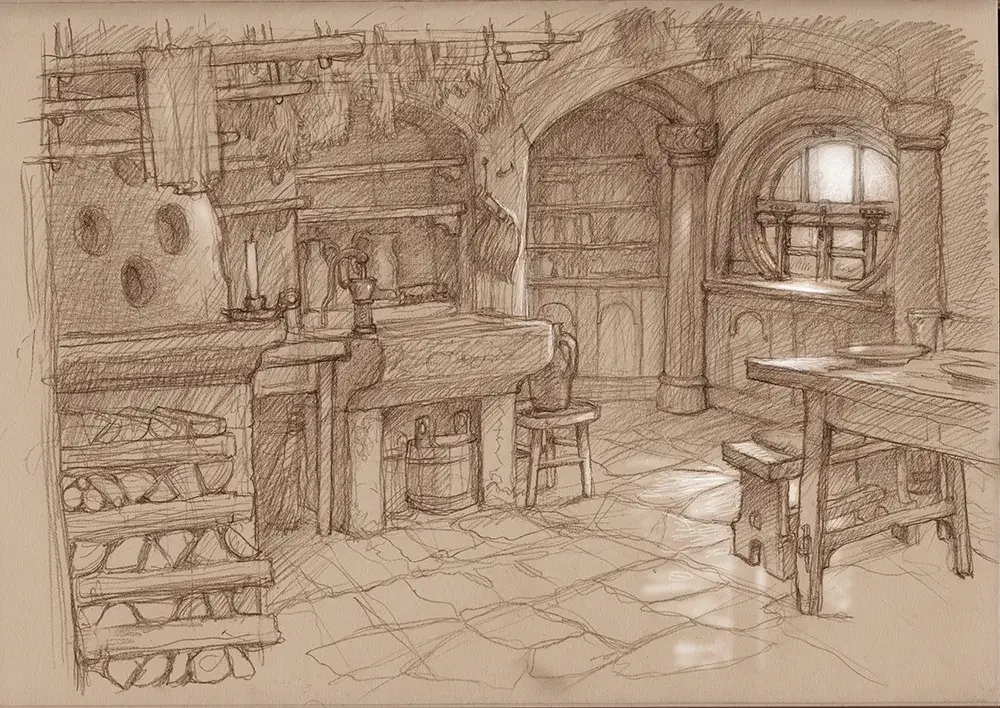
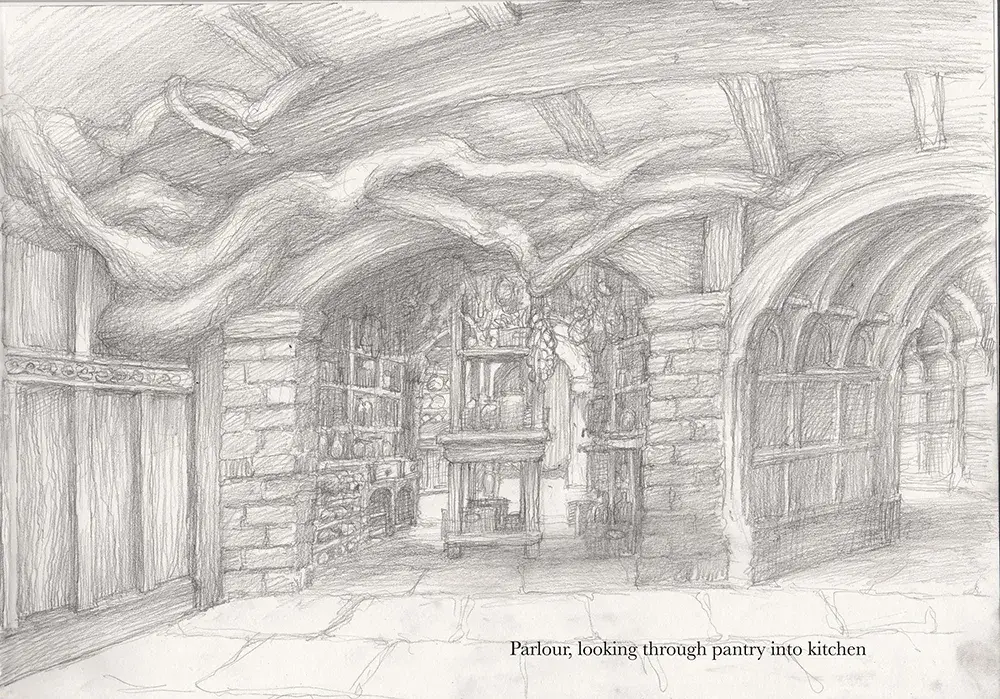
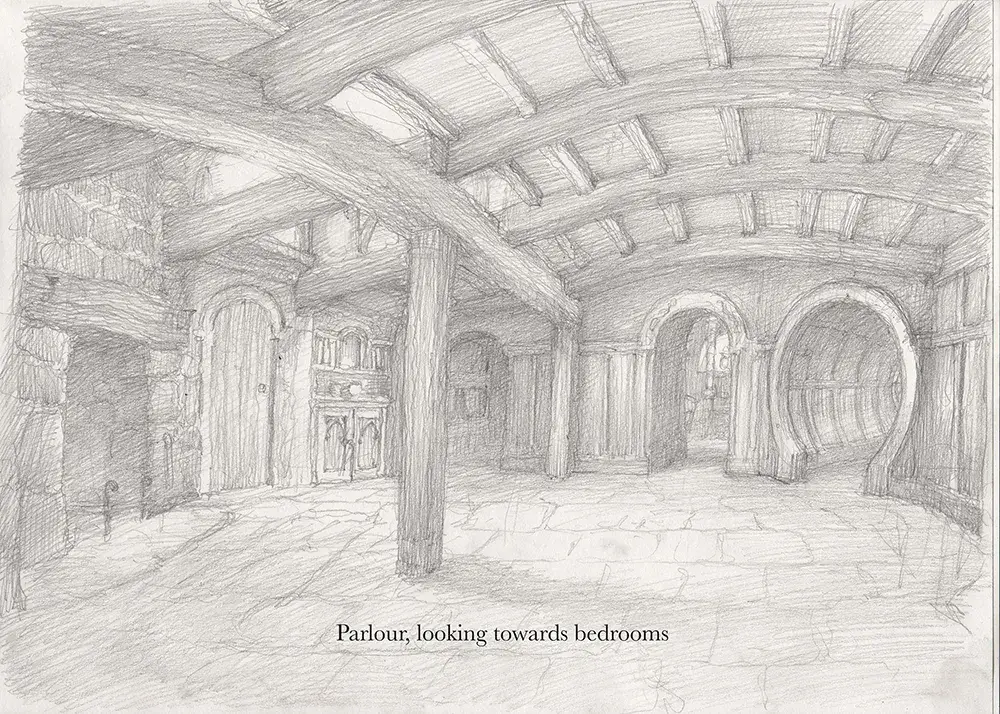
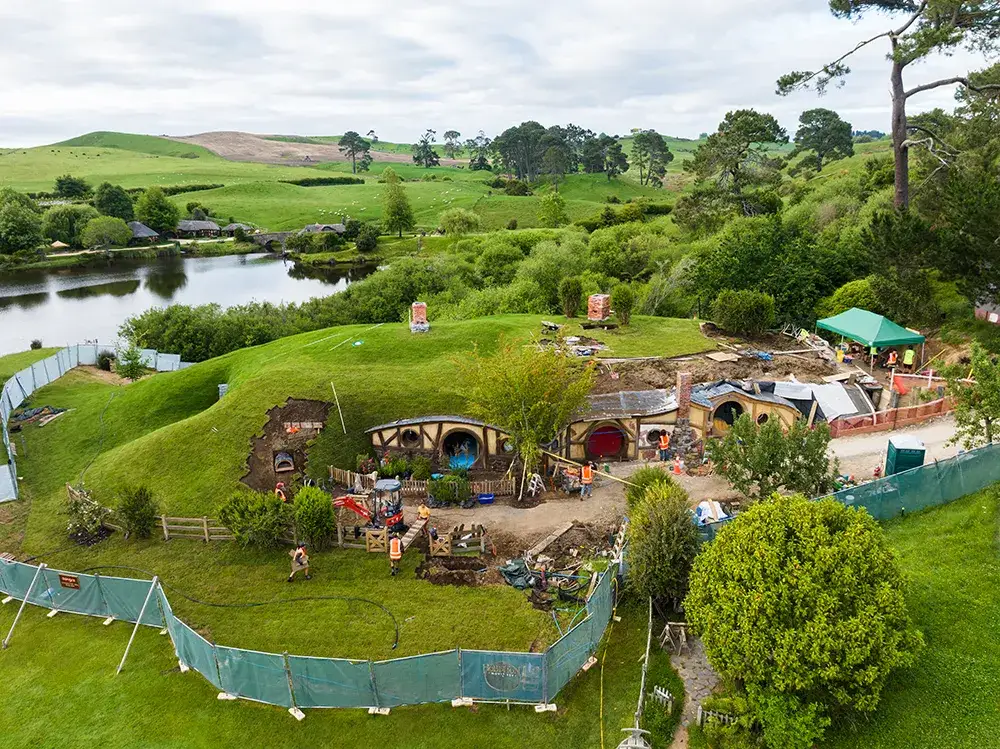
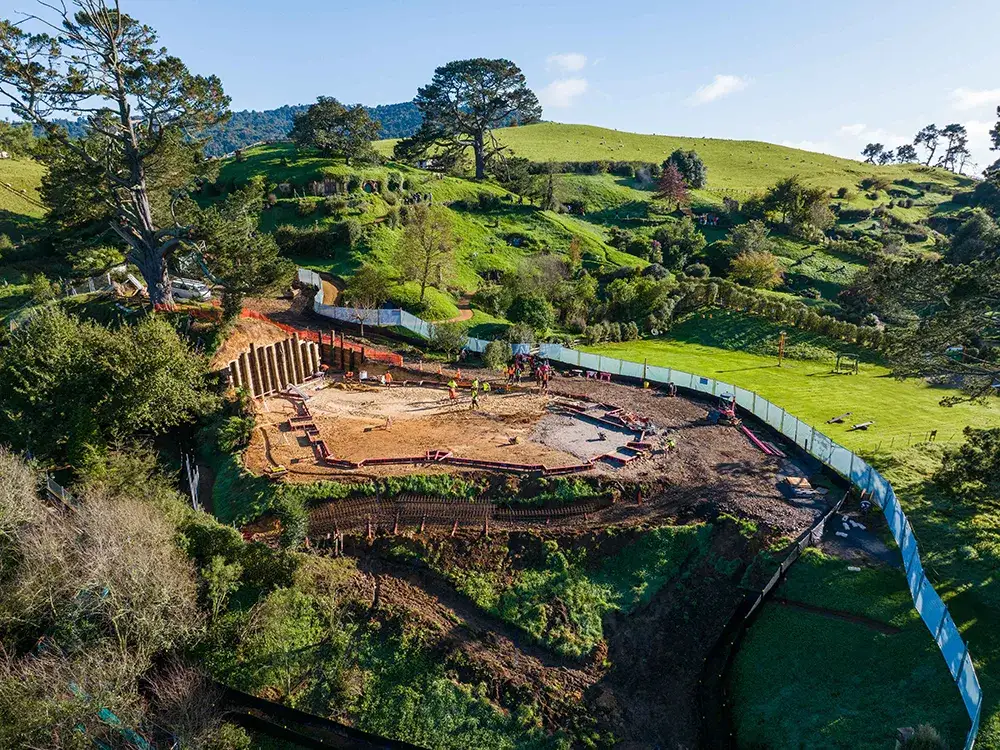
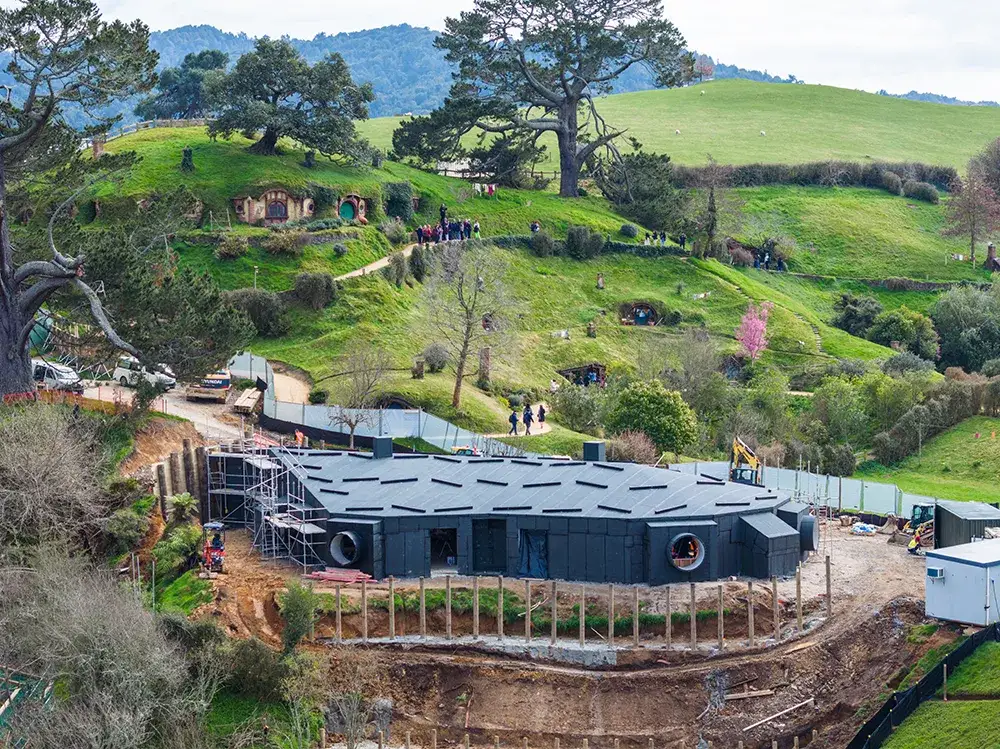
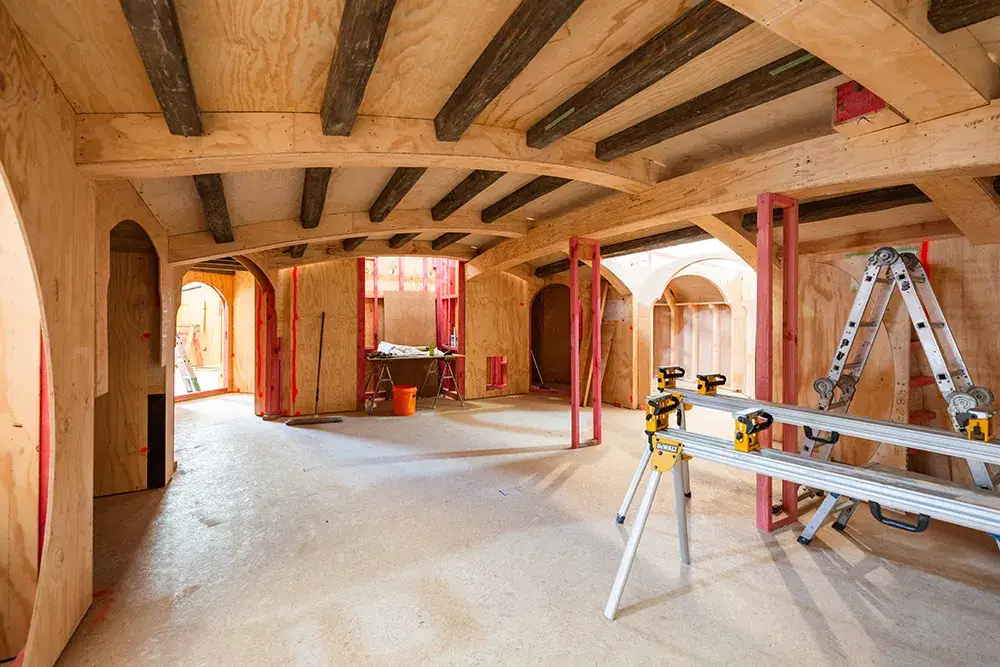
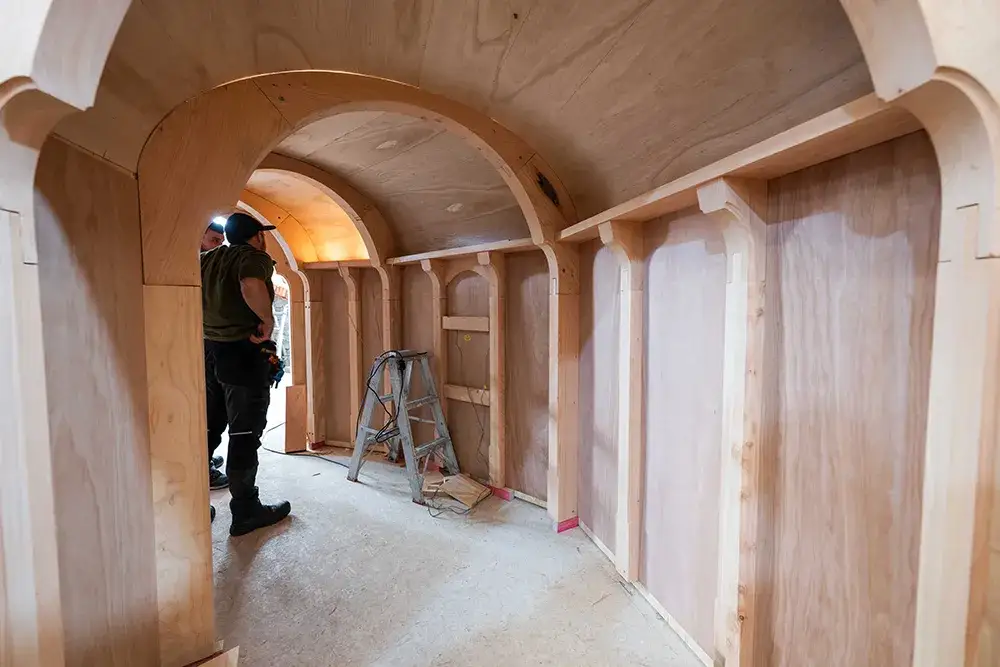
The Bagshot Row project involved excavating the original hillside behind three existing Hobbit Hole facades and transforming the space into two complete interior environments, one for the Proudfoot family and the Twofoot’s. The goal was to build something far more authentic: a believable home that felt lived in, layered with history, and consistent with the world first seen on screen.
Now, with international recognition added to its story, Bagshot Row stands as one of Hobbiton Movie Set’s most significant developments since it first opened to the public in 2002.
That changed in late 2023, following more than a decade of planning and design work to bring a fully realised Hobbit Hole interior experience to life
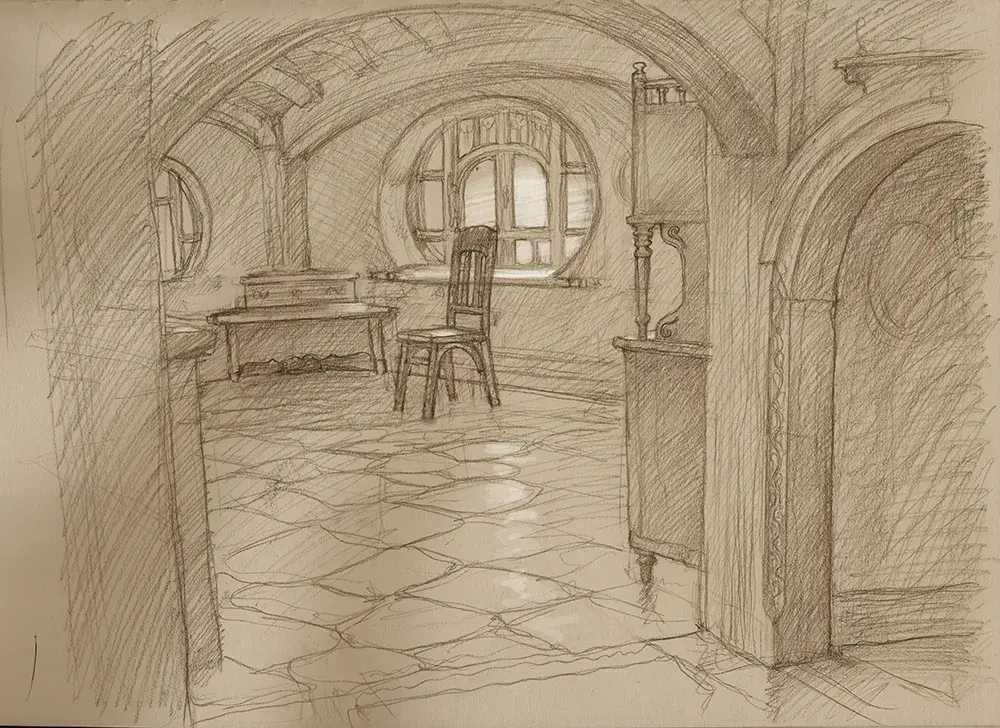
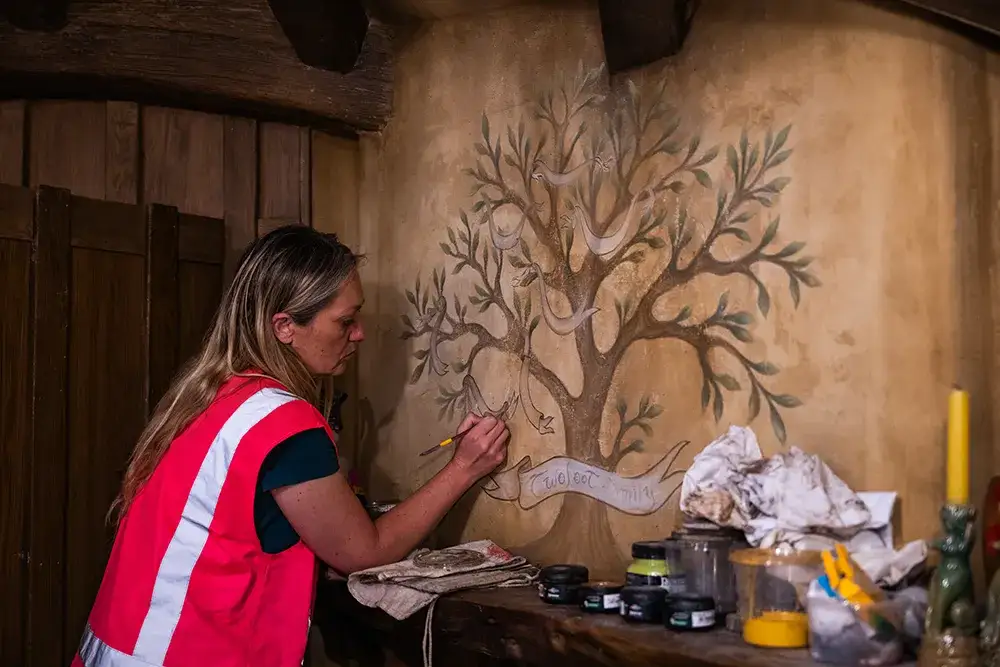
The project drew on many of the original creative minds behind The Lord of the Rings and The Hobbit trilogies. Illustrators John Howe and Alan Lee returned to help shape the visual storytelling, working alongside long-time Hobbiton collaborators including Art Director Brian Massey, Production Designer Ra Vincent, Set Decorator Kathryn Lim, Scenic Painter Will Buchanan, and Architect Gavin Urquhart.
Every detail was considered – from the reduced scale of rooms and doorways to the placement of everyday objects, family heirlooms, and signs of routine Hobbit life. The interiors were built at 83% scale, reinforcing the sense that these spaces were never designed for human visitors.
A permanent part of the Hobbiton experience
The Bagshot Row interiors have become a permanent part of all Hobbiton tours, marking a continued evolution of Hobbiton. It is the first time visitors have been able to step fully inside a Hobbit Hole, rather than viewing them solely as exterior film sets.
Director Peter Jackson has previously described the importance of ensuring the interiors felt authentic – spaces where the Hobbit who lives there feels only momentarily absent, rather than staged or theatrical.
Bagshot Row has now been recognised internationally
Bagshot Row has received a Thea Award for Outstanding Achievement – Attraction, Limited Budget, presented by the Themed Entertainment Association at its annual awards event in the United States.
The Thea Awards are widely regarded as the most prestigious honours in the themed entertainment industry, recognising excellence in storytelling, design, architecture, engineering, and visitor experience.
Hobbiton Movie Set Chief Executive Russell Alexander says the project filled a long-standing gap in the visitor experience, describing Bagshot Row as “the missing piece of the puzzle” – and noting that the recognition reflects a long-term commitment to putting visitors first while preserving the integrity of the world Tolkien created.