
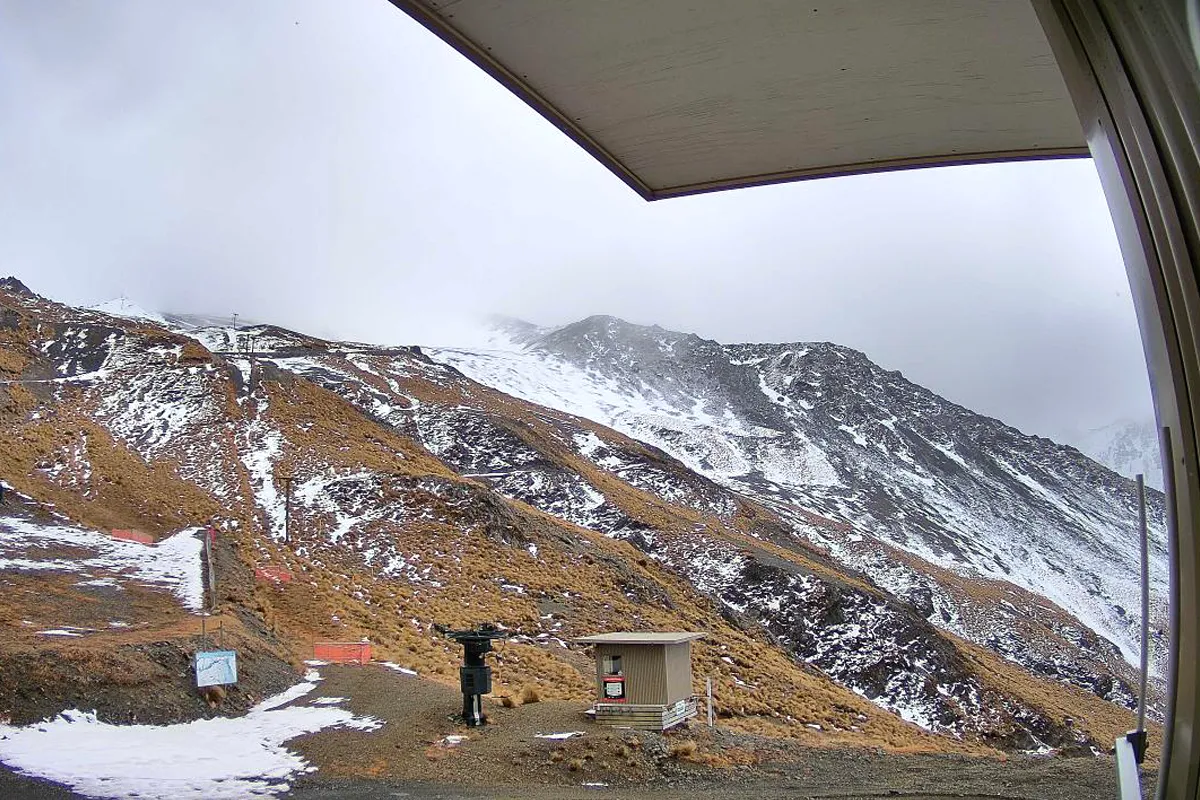
Winter 2025 was one of the most challenging seasons in recent memory for New Zealand’s club ski fields. At Mt Cheeseman, lifts turned for just a few days
Shorter seasons and increasingly unpredictable snowfall are reshaping the economics of club fields across the country. Fixed costs remain. Compliance requirements remain. Maintenance remains. Whether the mountain opens for two days or sixty-two, the obligations do not disappear.
And so, change becomes unavoidable.
Mt Cheeseman’s committee, working alongside external advisers, has developed what it calls a new “operational model” for winter 2026 – a leaner, more focused structure designed to keep the field viable in an era of uncertainty.
The key changes are significant
The 2026 season is scheduled to run from Friday 17 July to Sunday 27 September, but operations will be concentrated from Thursday to Sunday each week. Monday to Wednesday will remain closed, reducing staffing and operational overheads. Up to three targeted ski weeks in August will run Tuesday to Saturday, provided minimum participation numbers are met.
Accommodation will be offered primarily on Friday and Saturday nights, with Thursday added only if demand supports it.
More notably, several traditional services will not operate next season. There will be no ski hire, no standard snowsports instruction, no beginner packages. Staffing will reduce from sixteen to nine core team members, supplemented by volunteers and casual staff.
It is, in effect, a reset.
This is an acknowledgement of reality. Club fields were built on adaptability and community effort.
What is changing now is the scale of that adaptability
The objective is clear: focus resources on getting people on the slopes when conditions allow, rather than maintaining a full-service model that recent winters can no longer reliably sustain.
For generations, club fields have offered something different from commercial ski areas – a sense of ownership, participation, and shared responsibility. That spirit remains. But the operating environment has shifted.
Winter in New Zealand is becoming less predictable. And in response, the mountains are learning to operate differently.