
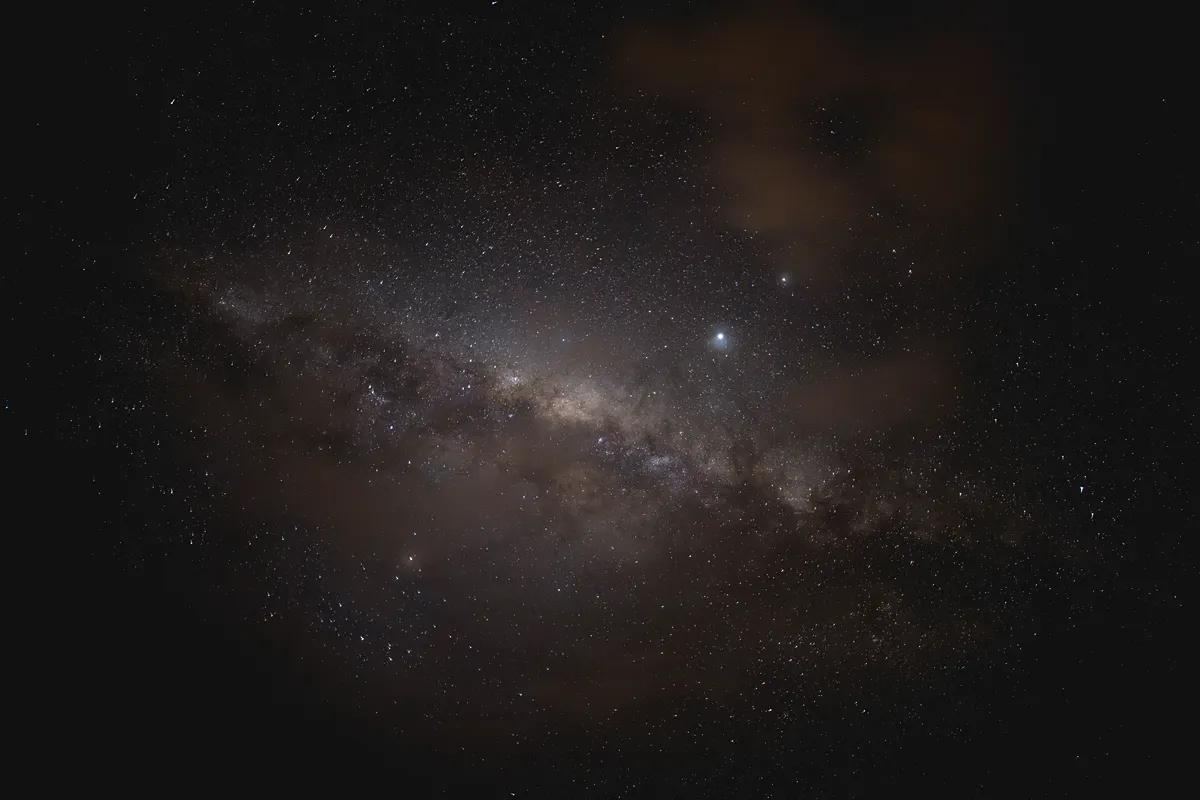
This list is compiled from the official DarkSky International website (darksky.org), which identifies New Zealand’s ten International Dark Sky Places recognised for stargazing and night-sky protection.
New Zealand is recognised internationally for the quality of its night skies, with ten locations officially accredited by DarkSky International as International Dark Sky Places. These designations recognise areas that meet strict criteria for low light pollution, long-term protection of natural darkness, and a demonstrated community or environmental commitment to preserving the night sky.
The ten DarkSky International Places in New Zealand span a mix of reserves, sanctuaries, parks, and communities, reflecting the country’s diverse landscapes – from remote wilderness areas and offshore islands to small rural towns.
DarkSky International and the international Dark Sky places programme
DarkSky International is a non-profit organisation based in the United States that works globally to protect the natural night sky and reduce light pollution. Founded in 1988, the organisation sets internationally recognised standards for responsible outdoor lighting and administers the International Dark Sky Places programme.
Through this programme, DarkSky International has accredited more than 230 Dark Sky Places across 22 countries, protecting over 160,798 square kilometres of land and night sky worldwide. These designations apply to reserves, sanctuaries, parks, and communities that meet strict criteria for night-sky quality, long-term protection, public education, and environmental stewardship.
Accreditation is not a one-off award; designated sites are required to maintain lighting standards and demonstrate an ongoing commitment to preserving natural darkness.
Understanding DarkSky international place designations
DarkSky International uses several official designation types to recognise places that meet its standards for night-sky protection. While all DarkSky International Places support stargazing, each designation reflects a different scale, purpose, and level of development.
New Zealand’s DarkSky international places
New Zealand currently has ten DarkSky International–accredited places, recognised across four designation types by DarkSky International.
International Dark Sky Reserves
- Aoraki Mackenzie International Dark Sky Reserve
One of the world’s largest dark sky reserves, centred around Aoraki/Mount Cook and the Mackenzie Basin. - Wairarapa Dark Sky Reserve
A large reserve covering parts of the lower North Island, recognised for its low light pollution and rural night skies.
International Dark Sky Sanctuaries
Dark Sky Sanctuaries are usually remote and minimally developed locations with some of the darkest skies on Earth. These areas have very low levels of artificial lighting and limited infrastructure, with conservation and environmental protection as primary goals. Public access may be restricted or carefully managed, and while stargazing is a key feature, tourism is not the primary purpose of the designation.
- Aotea / Great Barrier Island Dark Sky Sanctuary
New Zealand’s first dark sky sanctuary and the world’s first island sanctuary. - Stewart Island / Rakiura Dark Sky Sanctuary
One of the darkest inhabited places on Earth, with minimal artificial lighting. - Kaikōura Dark Sky Sanctuary
Designated in 2024, covering almost the entire Kaikōura District. - Tāhuna Glenorchy Dark Sky Sanctuary
A remote alpine and lake environment near Glenorchy, recognised for its pristine night skies.
International Dark Sky Parks
Dark Sky Parks are public or protected areas – such as conservation parks or reserves – that provide managed access for visitors. These sites actively support public enjoyment of the night sky and often host stargazing events, educational programmes, or designated viewing areas. Parks balance night-sky protection with recreation and are typically among the most accessible DarkSky International Places.
- Oxford Forest Conservation Area Dark Sky Park
A protected forest area in Canterbury with managed public access for night-sky observation. - Wai-iti Dark Sky Park
Located near Nelson, recognised for its community-led approach to night sky protection. - Kawarau Gibbston Dark Sky Park
Situated near Queenstown, combining conservation land with dark sky protection.
International Dark Sky Community
Dark Sky Communities are towns or settlements that have adopted responsible outdoor lighting practices across public and private spaces. The focus is on reducing light pollution within the community while maintaining safety and functionality. Stargazing usually takes place in and around the community rather than at a single designated site, and the designation reflects long-term commitment rather than a specific viewing location.
- Naseby Dark Sky Community
New Zealand’s first DarkSky-accredited town, recognised for responsible lighting and night-sky preservation.
The importance of Dark Sky conservation
While most DarkSky International Places support stargazing, the primary purpose of these designations is conservation. Protecting natural darkness reduces light pollution, supports wildlife and ecosystems, and preserves night skies for scientific, cultural, and environmental reasons.
Visitors are encouraged to enjoy New Zealand’s dark skies responsibly, recognising that long-term protection depends on considerate behaviour, responsible lighting, and respect for the surrounding environment.